

Abstract Aim Glucans are glucose polymers that constitute a structural part of fungal cell wall. They can stimulate the innate immunity by activation of monocytes/macrophages. In human studies it has been shown that beta glucan has an immunomodulatory effect and can increase the efficacy of the biological therapies in cancer patients. In this prospective clinical trial we assessed in vivo
Abstract The recognition of conserved microbial structures is a key aspect of metazoan immunity, and beta-glucans are emerging as a major target for the recognition of fungal pathogens. A number of receptors for these carbohydrates have been identified, which upon recognition, trigger a variety of immune responses. In contrast to
Abstract Purpose: The Basidiomycete fungus Agaricus blazei Murill has traditionally been used as a health food for the prevention of cancer. Methods: We examined whether beta-(1–6)-D-glucan extracted from A. blazei is a potential anticancer agent in an in vitro and in vivo animal model. Results: Here we show that (1) beta-glucan had cytotoxic effect against human
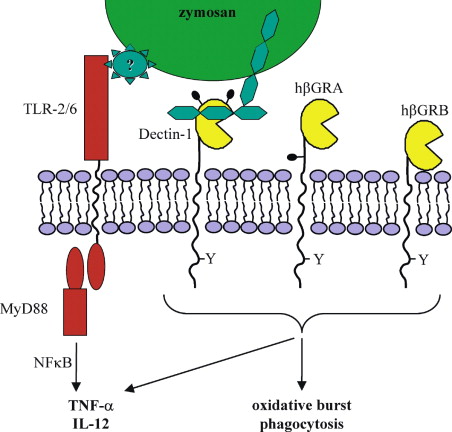
Fungal β-Glucans and Mammalian Immunity β-Glucans are structural cell wall polymers of many fungi which possess immunomodulatory activities. Although the therapeutic benefits associated with these compounds, particularly as anti-infective and antitumorigenic agents, have led to a large body of published research over the last five decades, it is still unclear